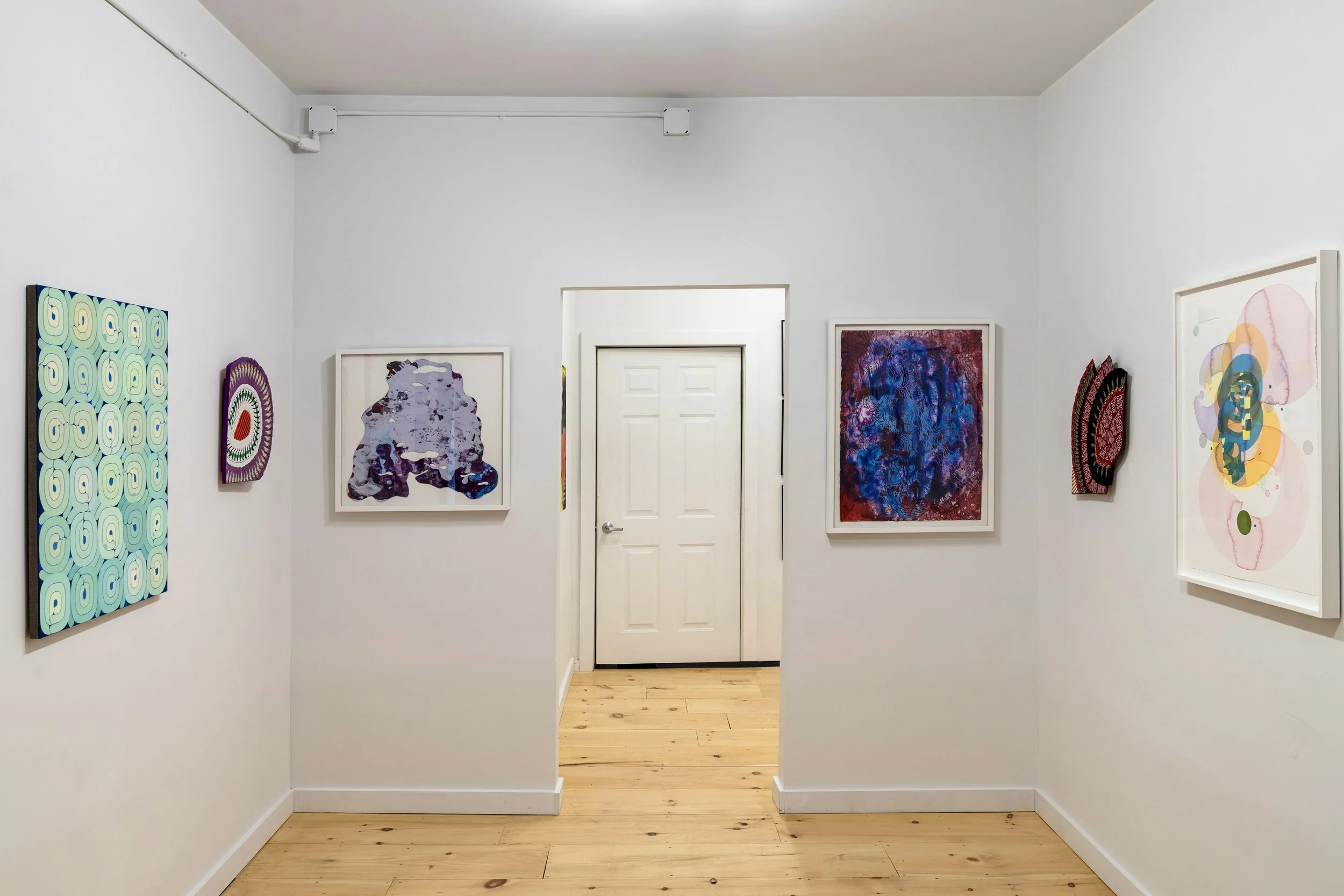
Charged Field Curated by Julie Durkin Marty
April 4– May 9, 2026
Georgetown Arts & Cultural Center, Georgetown, CT
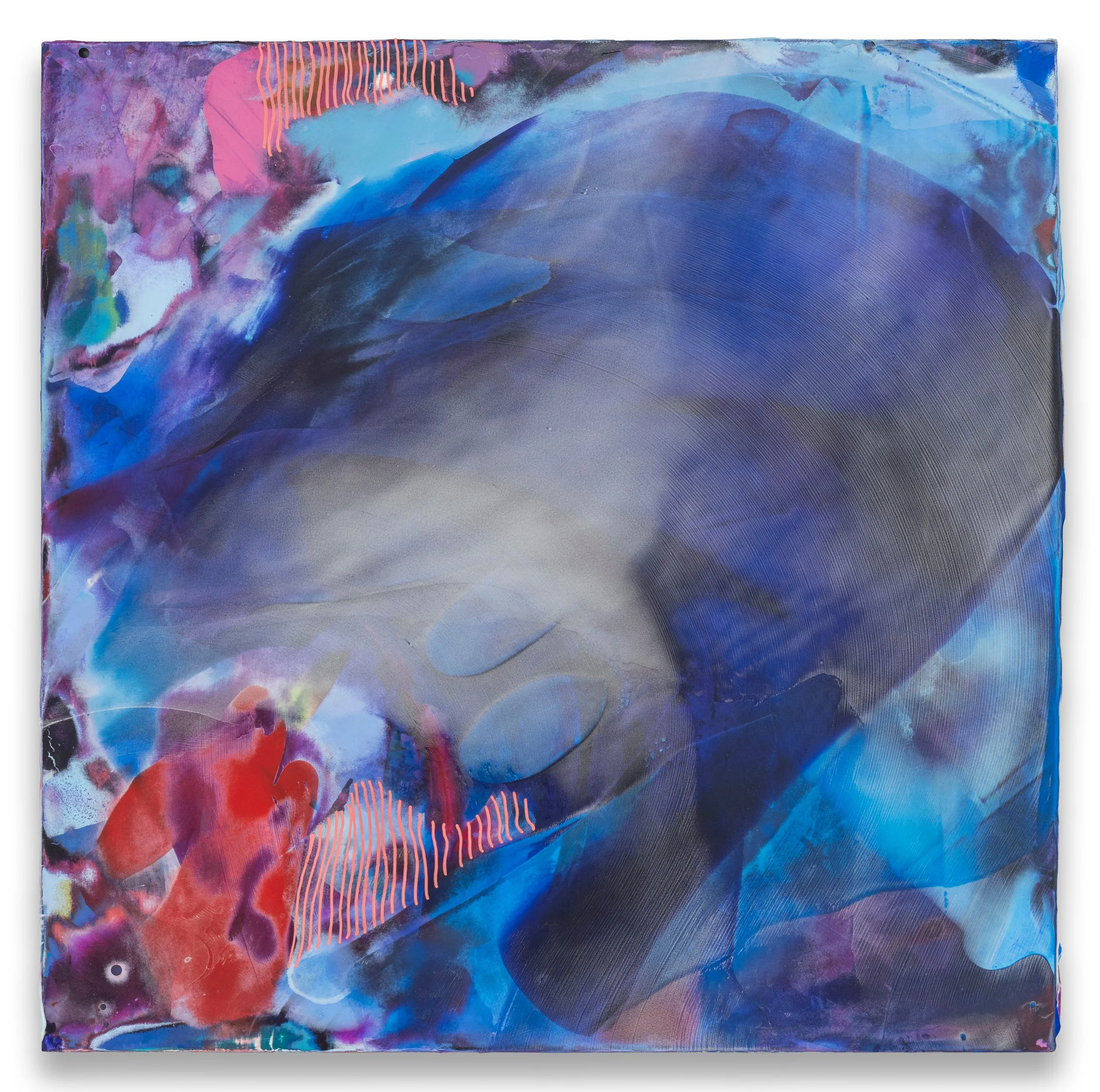
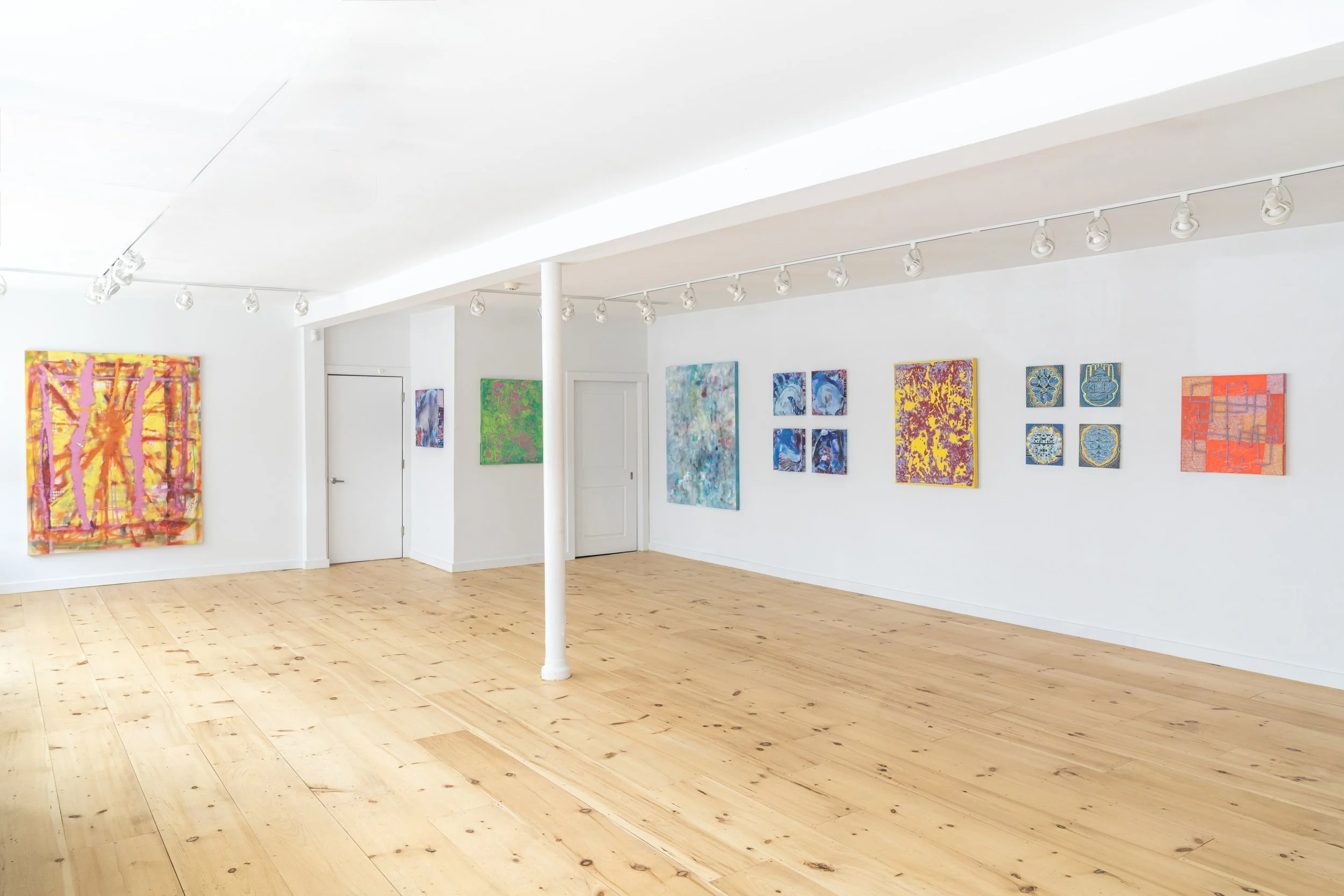
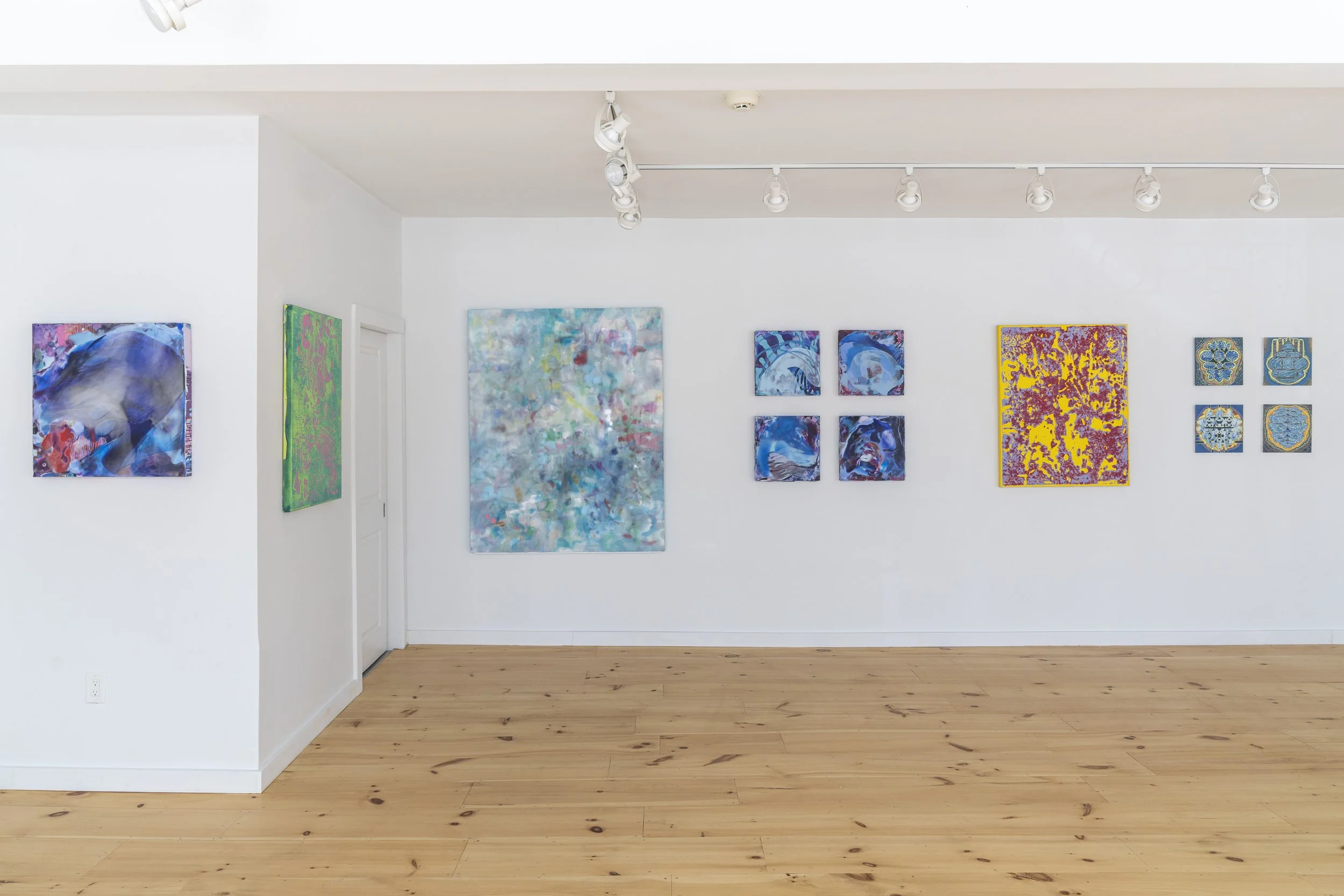
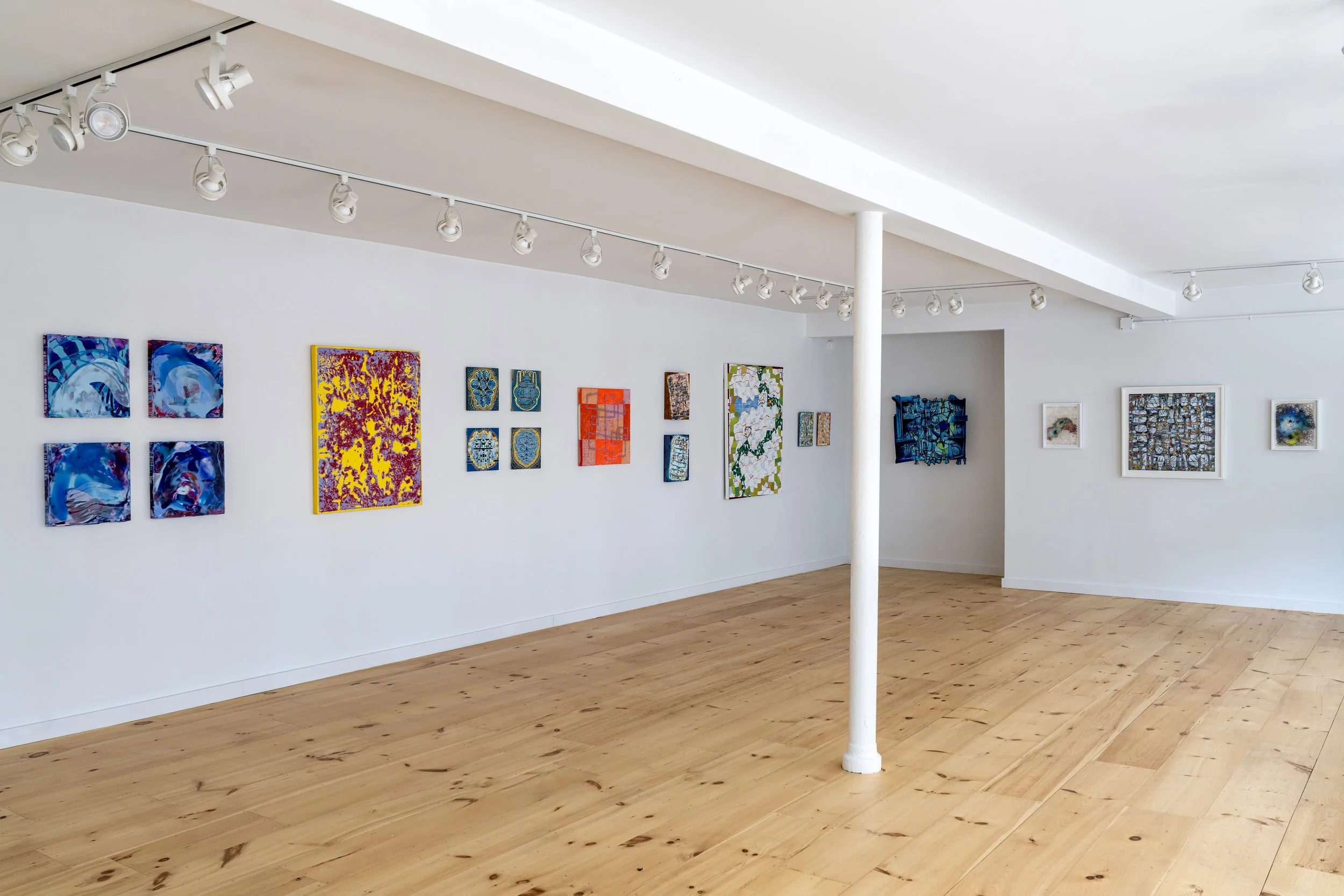
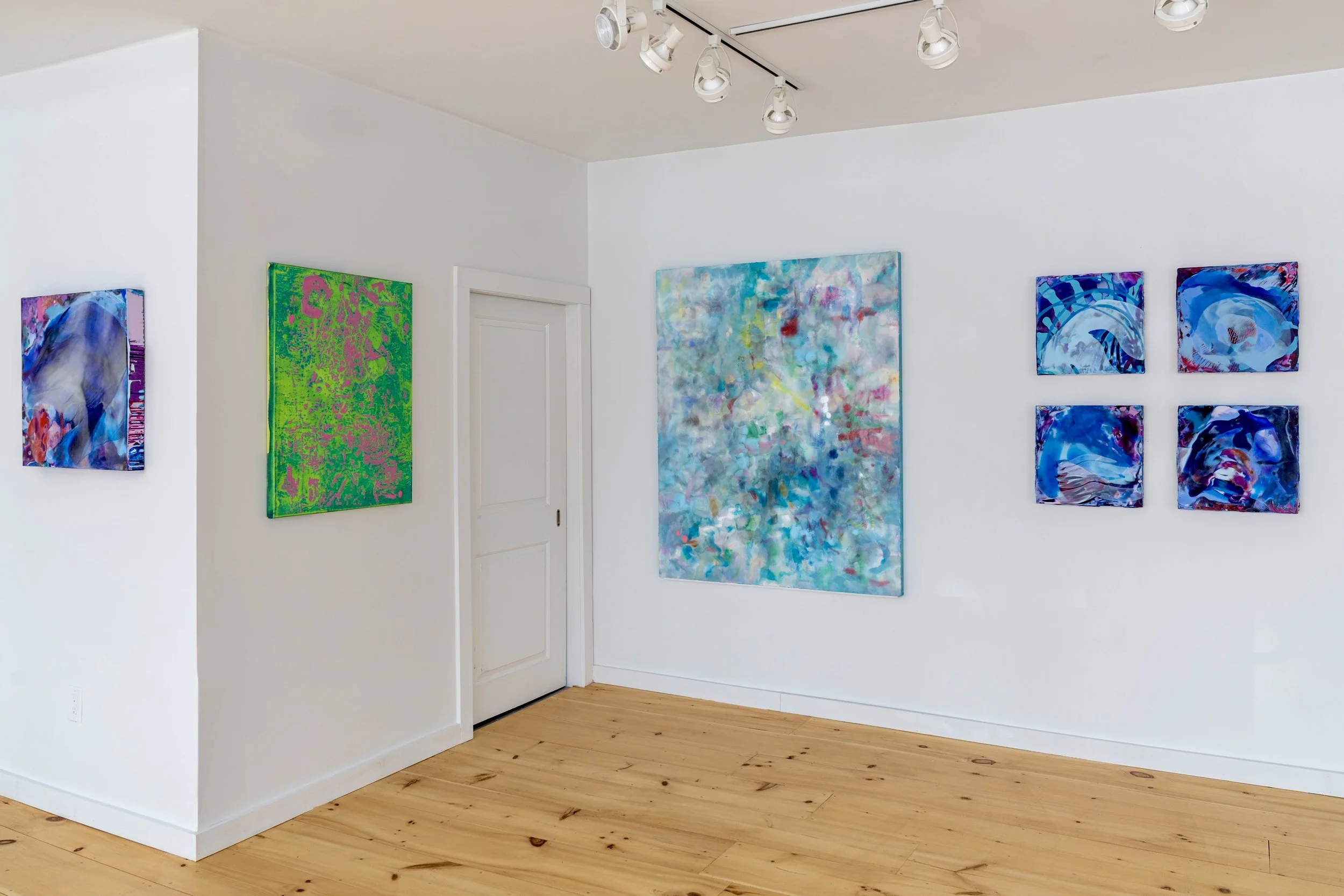
Charged Field brings together fourteen artists whose work examines abstraction not as a hermetic language but as a responsive and evolving system of inquiry. Nelleke Beltjens, John Cox, Lisa Corin Davis, Danielle Dimston, Julie Durkin Marty, Lisa Hoke, Jenny Kemp, Dan Makara, Karen Margolis, Stephen Maine, Holly Miller, Rob Nadeau, Alyse Rosner, and Sarah Walker approach color, form, and gesture as both material fact and charged phenomenon—each canvas becoming a site where visual logic meets embodied experience.
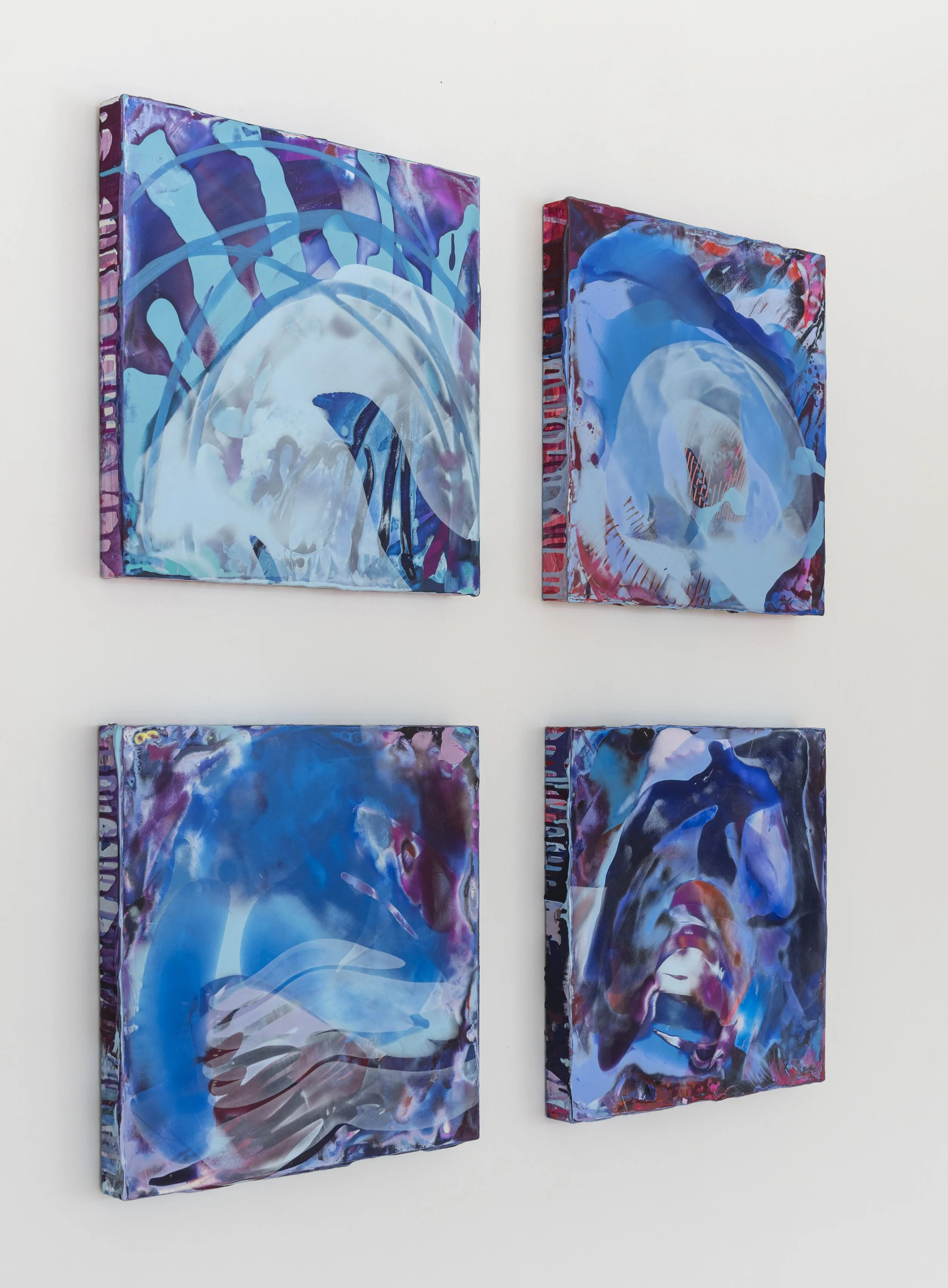
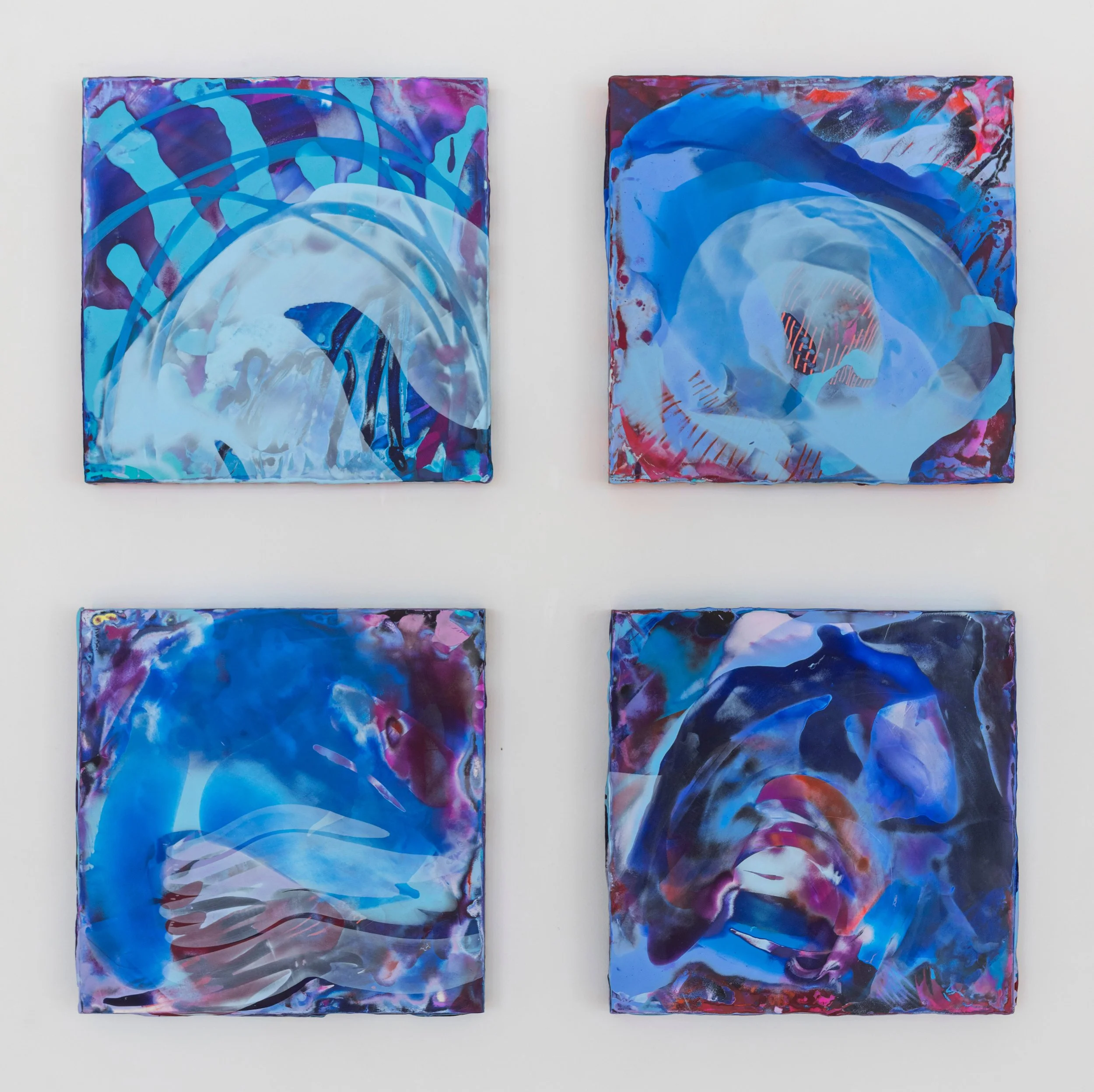
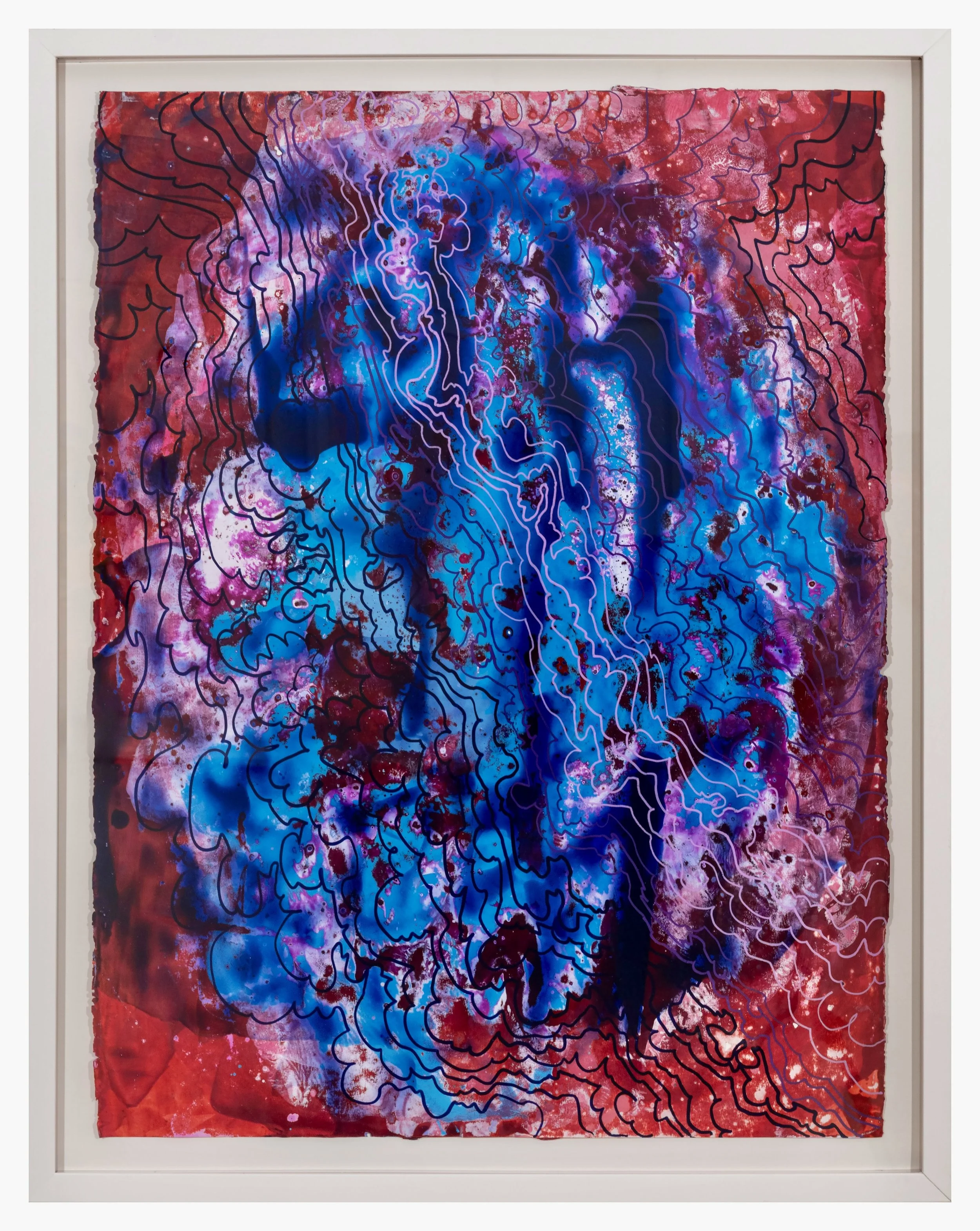
The artists in Charged Field engage the picture plane as an active terrain rather than a neutral support. Nelleke Beltjens creates process-based ink drawings through repetitive mark-making and cut paper, mapping invisible territories where continuity and discontinuity coexist. John Cox employs laser-cut tools and machine-customized processes to translate digital glitches and technological disorder into gestural abstractions that skip and stutter across the surface. Lisa Corin Davis constructs layered networks of geometric elements that reference mapping systems, digital infrastructure, and the algorithmic ordering of contemporary life, while simultaneously resisting fixed categorization. Danielle Dimston works with watercolor to create ethereal abstractions that manipulate light and transparency, keeping color to a minimum to focus on emotional weight while eliminating the semblance of the objective world. Julie Durkin Marty produces atmospheric paintings influenced by ocean floors, storm charts, and geological forces—volatile, luminous compositions that behave more like weather patterns than static images.
Lisa Hoke transforms repurposed consumer materials—cardboard packaging, plastic cups, commercial detritus—into large-scale abstract installations and collages that transcend their origins through color, pattern, and undulating form. Jenny Kemp builds compositions through intricate, hand-painted parallel lines and organic forms that reference biological structures and atomic patterns, creating a visual language at the edge of recognition. Dan Makara explores kinetic abstraction through dynamic compositional structures. Karen Margolis obsessively crafts circles—burning, cutting, and layering maps and paper—to chart internal monologues and neural patterns, bridging macro and micro scales of perception. Stephen Maine employs an unconventional printmaking-based process, using carved foam plates to transfer paint to canvas in a method that deliberately distances the hand from the mark, creating optically charged surfaces that invoke both spontaneity and system.
Holly Miller merges the optical with the tactile by drawing with needle and thread directly on painted canvas, creating work that hovers between drawing, painting, and sculpture while exploring dichotomies of presence and absence, perfection and imperfection. Rob Nadeau approaches painting with an emphasis on process and materiality, maintaining a conscious disregard for resolution in the traditional sense—working with spray paint, acrylic, bleach, and dyed fabric to create densely layered works that embrace "a flirtation with near constant failure." Alyse Rosner creates large-scale abstract paintings that meld graphite rubbings, gestural brushwork, and obsessive mark-making with transparent color—building accumulations of parallel lines that create raised, textured surfaces that acknowledge the contradictions within the natural and synthetic worlds and the cascading environmental crises shaping our present moment. Sarah Walker constructs "complexity generators"—paintings of extreme visual density built through accumulated intersecting layers that suggest both microcosmic and cosmic scales simultaneously, their surfaces intentionally clotted and physically worked to materialize the exhausting simultaneity of contemporary perception.
Across the exhibition, intuitive impulse exists in productive tension with deliberate structure. Gestural passages intersect with measured geometries; layered surfaces register processes of accumulation, revision, and constraint. The works resist resolution, maintaining states of openness that invite prolonged looking and reward sustained attention. Color functions not as decoration but as a primary vehicle of meaning—chromatic relationships activate perceptual phenomena and trigger associative memory.
Positioned within contemporary discourse on abstraction's continuing vitality, Charged Field considers how material, rhythm, and spatial logic can give form to states that exceed representation: duration, resonance, and the complexities of lived experience. The exhibition affirms abstraction as an ongoing method of thought and perception, one whose relevance derives not from historical lineage alone but from its capacity to engage the conditions of the present.